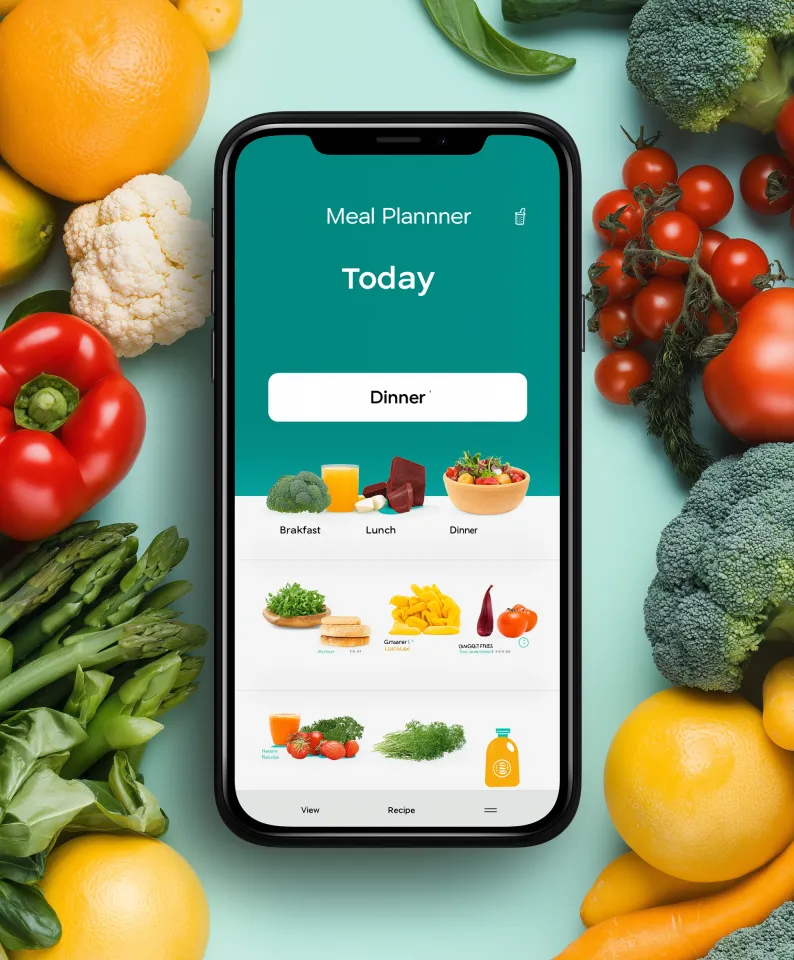
Gain Kitchen Confidence With These Skills
88% of UK adults cook at home weekly, yet most want more skills to feel at ease.
Knife and Prep Basics
Learn simple cutting techniques, safe handling, and food prep steps that save time and help you create balanced meals with confidence.
Portion and Nutrition Know-How
Master practical approaches to serving balanced portions and pairing ingredients for optimal nutrition with flexibility for different dietary preferences.
Kitchen Organisation Hacks
Discover organisational tips, safe food storage, and efficient use of your kitchen space, reducing stress during mealtimes.
Skill Building Steps
Building basic kitchen skills follows simple practical progressions with ongoing support.
Start Small
Choose easy, achievable tasks
Begin by mastering a few basic techniques like chopping vegetables or boiling eggs. Use clear recipes to guide you as you build your skills gradually.
Access to basic utensils, simple fresh ingredients, and a calm space to practice regularly.
Increased comfort with kitchen tools
10 minutes
Follow Key Recipes
Build core confidence
Try preparing a few staple dishes that highlight healthy ingredients and reinforce basic cooking steps in a repeatable routine.
Interest in step-by-step instructions and a commitment to using fresh, balanced staples.
Broader repertoire of healthy meals
30 minutes
Adapt With Practice
Make it your own
Once familiar with basics, explore swaps for ingredients and methods to suit your time, tastes, or dietary needs without losing simplicity or nutrition.
Openness to flexible cooking processes and willingness to learn from small mistakes.
Confidence in recipe adaptation
20 minutes
Share and Reflect
Learn together, get feedback
Talk about your experiences with friends or family, share meals, and gather feedback. This builds motivation and practical advice for ongoing progress.
Some group cooking or discussion time and the willingness to listen and try suggestions.
Better teamwork and encouragement
15 minutes
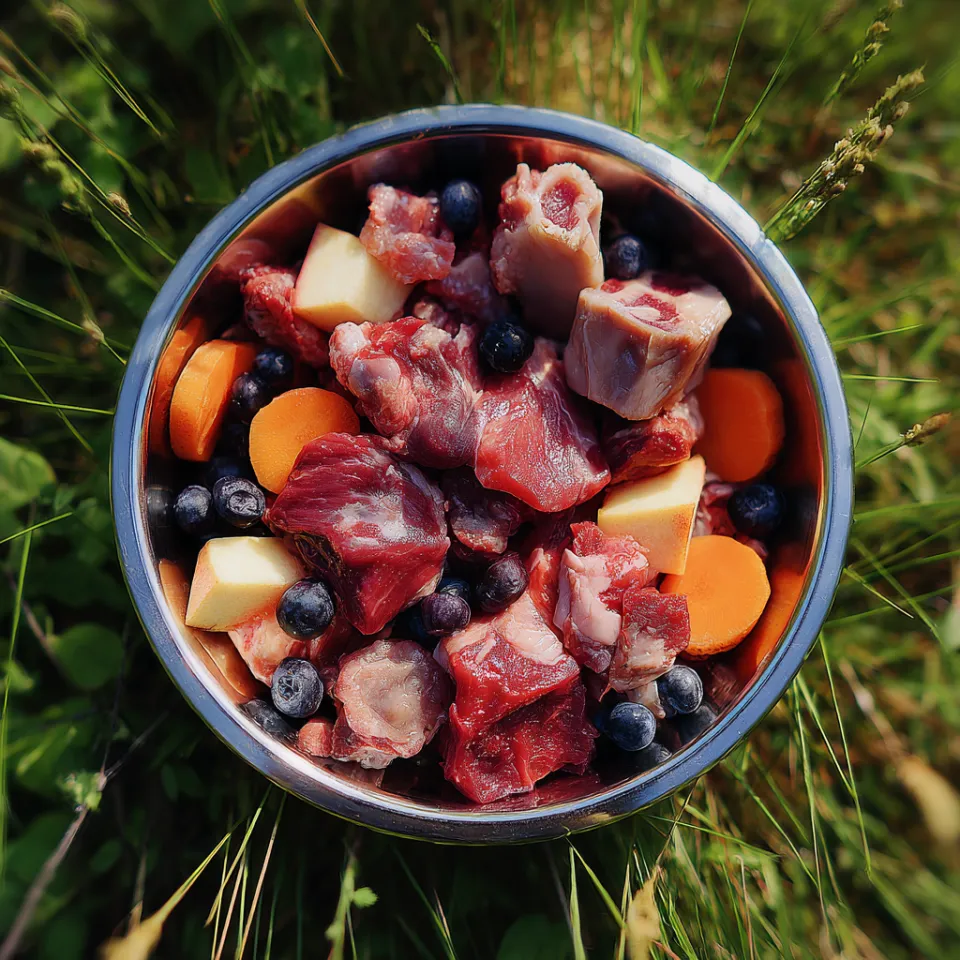
Balanced Meal Templates
A balanced plate often features at least one portion of vegetables, a lean protein source, and healthy carbohydrates. Using templates, you can design meals that are flexible for your needs—filling, colourful, and nutritionally sensible for every household member. Our guides break down common combinations with serving visuals.
Prep and Store Efficiently
Preparation is key for home cooking success. Batch-chopping vegetables, pre-portioning snacks, and safe storage increase your chances of making healthy choices. We provide printable charts and checklists to help keep your kitchen ready and meals streamlined.
Key Cooking Techniques
Everyday techniques like steaming, roasting, and sauteing are covered in skill guides, with advice on avoiding excess salt and oil. Guidance is always specific, aiming for flavour and nutrition without unnecessary complication or equipment.
Recipe Adaptation Tips
Adapting for dietary needs or preferences can keep meals interesting and inclusive. Substitution charts offer swaps for common allergens or preferences—you’ll find ideas for plant-based, gluten-friendly, and child-friendly adaptations.